Therapeutic Exercise
When bending, reaching, or climbing stairs feels harder than it used to, knowing how to start moving again can be confusing. Therapeutic exercise at Revive Injury and Rehab focuses on rebuilding the strength, flexibility, and endurance needed for everyday activities.
We offer therapeutic exercise in Arlington and Dallas as part of chiropractic care tailored to your symptoms, current abilities, and recovery goals.
What Is Therapeutic Exercise?
Therapeutic exercise uses specific movements to address physical limitations, such as muscle weakness, stiffness, or reduced joint movement. Unlike a general workout, these rehabilitation exercises are selected around a particular concern.
Your chiropractor may recommend strengthening, stretching, or endurance exercises to support your care. Some exercises can also be practiced at home, giving you an active role in improving your movement.

How Therapeutic Exercise May Help
The goal is to make everyday movement more manageable, not push you through the hardest workout. Depending on your needs, therapeutic exercise may help:
- Build muscle strength and endurance.
- Improve flexibility and joint movement.
- Reduce discomfort and stiffness.
- Support balance and coordination.
For concerns such as back pain, a gradual exercise plan can help rebuild strength and confidence in movement. Your starting point should reflect what you can currently manage.
Types of Therapeutic Exercise
Endurance Training
Build stamina with manageable activity, such as walking, at a pace suited to your needs.
Resistance Training
Use body weight, bands, or weights to build muscle strength for everyday movement.
Flexibility Training
Use selected stretches to improve flexibility and help joints move more comfortably.
Conditions Therapeutic Exercise May Help With
Electrical Muscle Stimulation may be recommended for patients dealing with muscle pain, soft tissue injuries, spasms, stiffness, or recovery after injury. If you are not sure whether EMS is right for you, our team can evaluate your symptoms and recommend the best next step.
Back & Neck Pain
Exercise may help improve strength, flexibility, and movement around the spine.
Joint Stiffness
Targeted exercises may help improve mobility and support more comfortable movement.
Sports Injuries
Therapeutic exercise may support recovery, strength, and return to activity.
Muscle Weakness
Strengthening exercises may help rebuild support around affected areas.
Reduced Range of Motion
Stretching and mobility exercises may help restore more comfortable movement.
Balance & Coordination Issues
Selected exercises may help improve stability, control, and body awareness.
Injury Recovery
Therapeutic exercise may support recovery after strains, sprains, or other injuries.
What to Expect During Your Visit
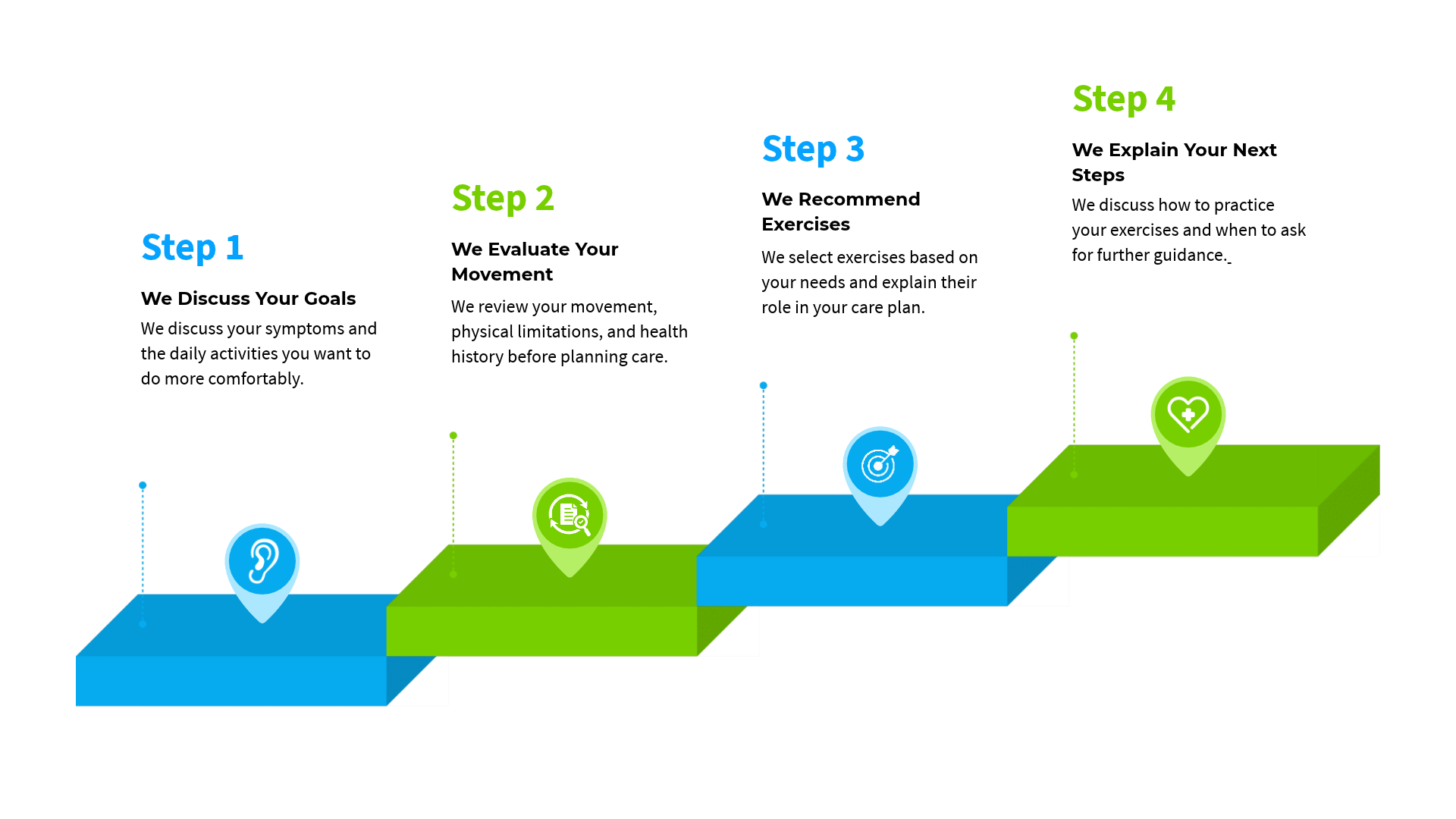
Continuing Your Exercises at Home
Your chiropractor may recommend a home exercise program to continue between visits. Before starting, make sure you understand the movements, how often to practice, and any limits that apply to your condition.
Start at the recommended level rather than adding extra repetitions or resistance on your own. Let your provider know when an exercise becomes easier, remains difficult, or increases your symptoms so the plan can be reviewed.

Why Choose Revive Injury and Rehab?
Your exercise plan should reflect what you are working toward, whether that is carrying groceries, managing stairs, or returning to an activity you enjoy.
- Personalized Exercise Plans: Your symptoms, current abilities, and movement goals guide exercise recommendations.
- Arlington & Dallas Locations: Visit our Arlington or Dallas clinic for chiropractic care that fits your routine.
- Support Beyond Your Visit: Your plan may include home exercises to practice between your clinic appointments.
- Care That Fits Together: Exercise may complement chiropractic adjustments, massage, or other care you need.
Frequently Asked Questions
Can I do therapeutic exercise if I have back pain or an injury?
Yes, certain therapeutic exercises may help improve strength, mobility, and function when you have back pain or are recovering from an injury. However, the appropriate movements depend on your symptoms and condition. Your chiropractor can evaluate your needs and recommend exercises suited to your recovery.
Can I do therapeutic exercises at home without equipment?
Many therapeutic exercises can be performed at home using body weight or simple movements. Others may require resistance bands, light weights, or other equipment. Your chiropractor can explain which exercises are appropriate for your plan and how to perform them safely.
How often should I do my therapeutic exercises?
Exercise frequency depends on your condition, recovery goals, and the movements prescribed. Some exercises may be recommended daily, while others require rest between sessions. Follow your chiropractor’s instructions and avoid increasing repetitions or resistance without guidance.
Should therapeutic exercises hurt?
Mild muscle soreness can occur when beginning unfamiliar exercises, but sharp or worsening pain should not be ignored. Stop the movement and contact your healthcare provider if an exercise significantly increases your symptoms. Your plan may need to be adjusted to your current abilities.
How long does therapeutic exercise take to work?
Results vary depending on your condition, starting abilities, and consistency. Some patients notice gradual improvements in movement or comfort, while rebuilding strength and endurance may take longer. Your chiropractor can review your progress and adjust your exercises as needed.
Get Back to Moving With Confidence
Is back pain making it difficult to bend, or has an injury kept you from your usual activities? At Revive Injury and Rehab, we’ll assess what’s limiting your movement and recommend therapeutic exercises to help rebuild strength, flexibility, and mobility. Schedule an evaluation in Arlington or Dallas to find out where to start.
Chiropractic Services
New Patient
Thinking about becoming a new patient at Revive Injury and Rehab? Get started today!
Get in Touch
2313 West Arkansas Lane, Suite 102, Arlington, TX 76013
1111 West Mockingbird Lane, Ste. 510, Dallas, TX 75247